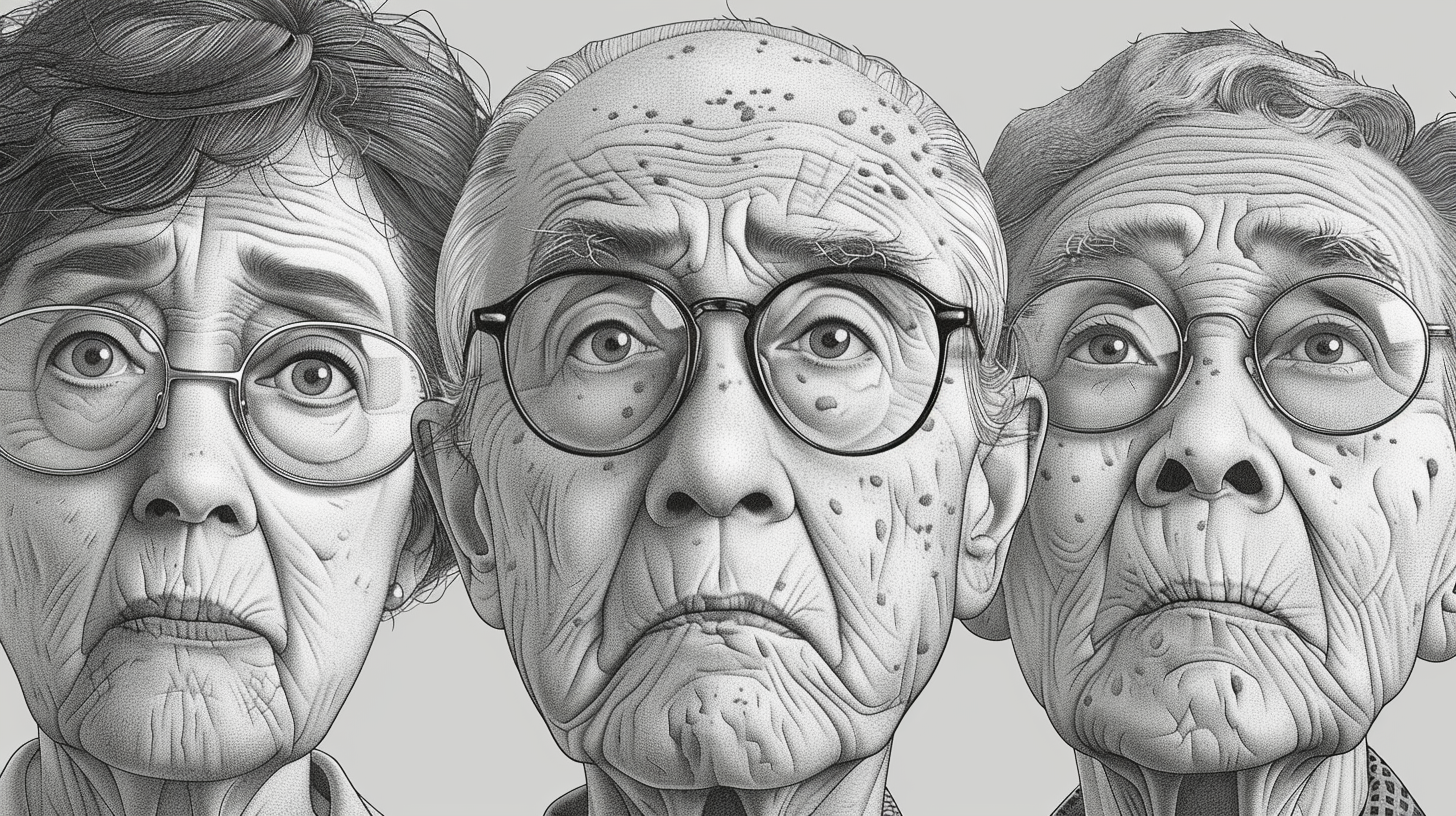
As a young reporter, I was endlessly drawn to World War II veterans. I chased their tales of forgotten airfields and faded medals, naively thinking I was simply filing copy for the morning edition. In truth, those old stories were quietly setting my trajectory. They led me straight from the newsroom to the bedside.
Now, as a certified nursing assistant, my beat remains largely the same. I still spend my days among that remarkable generation, though my reporter's notebook has become vitals and medications log.
They are an extraordinary lot, if you take the time to listen.
Take the former serviceman who from the age of six spent his formative years in movie theaters. Captivated by "42nd Street", "Flying Down to Rio", among many others, he developed a razor-sharp eye for tailoring. Decades later, freshly discharged, he found himself somewhat lost. A high school art teacher counseled him to try design, remembering how he impressed with his budding skills at millinery. With his G.I. Bill benefits, he enrolled at FIT in the city.
When school's done, he found himself adrift on Fifth Avenue, in search of a job. Taking a leap, he marched into Oleg Cassini’s salon. Undeterred by no vacancies, he insisted on doing volunteer work until Cassini eventually tried one of his sketches, and the rest was history.
Then there was the music teacher, born to a sharp family that ran a soda water business. She was a woman of formidable intellect; right up to her hundredth year, she could recall decades-old telephone numbers from memory with terrifying precision. From her, I warmed up to classical music and developed an elevated palate for good food—a grand upgrade from my usual diet of instant noodles and lukewarm barako coffee.
And then there was the lady who carried a heavy chip on her shoulder. She adored her seamstress mother, resented her father, yet cared for the old man devotedly for eleven years. She was notoriously hard to please. Yet despite her sharp edges, she never once missed my birthday, meticulously copying it onto the new wall calendar every January. She left extra dishes in the fridge for me, treated me like family, and quietly let down her guard.
When she passed, I didn't lose a client; I lost a dear friend.
That is the quiet hazard of my trade. Loss is a recurring motif, bringing to mind the Eastern cycle of samsara—the relentless wheel of life, death, and transition. To pour your heart into people at this stage of life leaves you extremely vulnerable.
Every morning before a shift, I have to psych myself up, steadying my nerves like a performer going on stage. Yet the moment I step past their front door, the hesitation vanishes. I put on my brightest self and simply show up. Because in the end, being there for someone isn't just a job—it is the finest story left to tell.
Note: To respect the privacy of individuals and families, all names, timeline details, and identifying characteristics have been anonymized or combined.
Comments